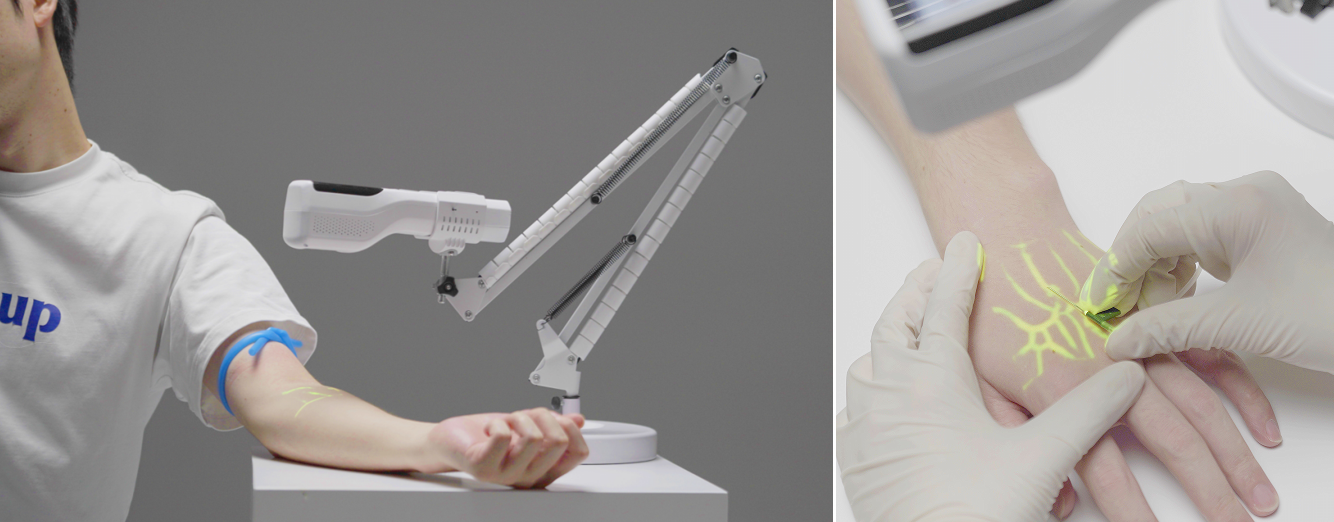
A جهاز تحديد الأوردة يمكن أن يوفر لأخصائيي الرعاية الصحية مرجعًا بصريًا في الوقت الفعلي للأوردة السطحية، مما يساعدهم على تحديد مواقع الوخز المناسبة بكفاءة أكبر.
ومع ذلك، لا تتطلب كل بيئة سريرية نفس الاحتياجات.
قد يكون جهاز تحديد الأوردة المحمول باليد مثاليًا لفرق الطوارئ، بينما قد يكون تكوين الحامل المكتبي أو العربة المتنقلة أكثر ملاءمة للمستشفيات ومراكز الحقن الوريدي.
إذًا، كيف ينبغي لمقدمي الرعاية الصحية اختيار جهاز تحديد الأوردة بالأشعة تحت الحمراء المناسب؟
1. ابدأ بالتطبيق السريري
تتمثل الخطوة الأولى في تحديد المكان الذي سيُستخدم فيه جهاز تحديد الأوردة فعليًا.
قد يكون للبيئات السريرية المختلفة متطلبات مختلفة فيما يتعلق بإمكانية التنقل، ومسافة العمل، وعرض الصورة، وتكوين المعدات.
تشمل التطبيقات الشائعة:
-المستشفيات
-العيادات الخارجية
-أقسام الطوارئ
-أقسام طب الأطفال
-مراكز الحقن الوريدي
-غرف جمع الدم
-مرافق التمريض
-خدمات الرعاية الصحية المتنقلة
على سبيل المثال، قد يحتاج جهاز يُستخدم في قسم الطوارئ إلى النقل بسرعة بين المرضى، بينما يمكن للمعدات المستخدمة في غرفة العلاج الاستفادة من تكوين حامل ثابت.
2. أجهزة تحديد الأوردة المحمولة باليد لسير العمل السريري المرن
تم تصميم جهاز تحديد الأوردة المحمول باليد لتوفير سهولة التنقل والمرونة.
نظرًا لإمكانية حمل الجهاز مباشرة إلى المريض، فقد يكون مفيدًا بشكل خاص عندما يحتاج أخصائيو الرعاية الصحية إلى إجراء بزل الوريد في مواقع مختلفة.
قد تشمل السيناريوهات المعتادة:
-الرعاية الطارئة
-الإجراءات بجانب سرير المريض
-خدمات العيادات الخارجية
-رعاية الأطفال
-الخدمات الطبية المتنقلة
-جمع الدم
تقدم ZD Medical حلول أجهزة تحديد الأوردة المحمولة بالأشعة تحت الحمراء المصممة لتصوير الأوردة السطحية وتوفير صورة وعائية مباشرة على الجلد أو فوقه.
بالنسبة للمرافق التي تحتاج إلى نقل المعدات بشكل متكرر، قد تكون قابلية النقل اعتبارًا مهمًا.
3. أجهزة تحديد الأوردة ذات الحامل المكتبي للتشغيل المستقر
يوفر جهاز تحديد الأوردة المزود بحامل مكتبي أسلوب عمل مختلفًا.
بدلًا من الإمساك بالجهاز بشكل مستمر، يمكن لأخصائيي الرعاية الصحية وضع المعدات بزاوية ومسافة عمل مناسبة.
يمكن أن يكون هذا النوع من التكوين مفيدًا في:
-غرف الحقن
-محطات جمع الدم
-مراكز الحقن الوريدي
-غرف علاج المرضى الخارجيين
-مناطق الفحص السريري
تشمل مجموعة منتجات ZD Medical كلاً من تكوينات الحوامل المرنة للطاولات وحلول أجهزة البحث عن الأوردة المحسّنة المثبتة على الحوامل.
بالنسبة لبيئة سريرية ثابتة، قد تكون الاستقرار وسهولة تحديد الموضع أكثر أهمية من أقصى قدر من قابلية النقل.
4. أجهزة البحث عن الأوردة المتنقلة على العربات للمستشفيات
بالنسبة لمرافق الرعاية الصحية الأكبر، يمكن أن يوفر جهاز البحث عن الأوردة المتنقل على عربة خيارًا عمليًا آخر.
يتيح تكوين العربة نقل نظام تصور الأوردة بين مناطق العلاج المختلفة مع الحفاظ على إعداد معدات مستقر.
يمكن أن يكون هذا مفيدًا بشكل خاص عندما يحتاج جهاز واحد إلى خدمة عدة مرضى أو أقسام.
توفر ZD Medical تكوينات حوامل العربات المتنقلة كجزء من مجموعة منتجات أجهزة البحث عن الأوردة الخاصة بها.
عند اختيار نظام مثبت على عربة، ينبغي للمستشفيات مراعاة:
-سهولة الحركة
-استقرار العربة
-ارتفاع العمل
-تحديد موضع المعدات
-التخزين
-سهولة التنظيف
-التوافق مع سير العمل السريري
5. جودة الصورة أهم من المظهر
يُعد جهاز البحث عن الأوردة في النهاية أداة تصور سريرية.
لذلك، ينبغي للمشترين التركيز على أداء التصوير الفعلي بدلاً من اختيار جهاز بناءً على مظهره أو حجم شاشته فقط.
تشمل العوامل المهمة:
التصور في الوقت الفعلي
يجب أن تستجيب صورة الأوعية الدموية بسرعة للتغيرات في وضعية المريض وحركة المشغّل.
تباين الصورة
يمكن أن يجعل التباين الواضح بين شبكة الأوعية الدموية والأنسجة المحيطة الصورة أسهل في التفسير.
استقرار الصورة
تساعد الصورة المستقرة المتخصصين في الرعاية الصحية على استخدام معلومات الأوعية الدموية كمرجع أثناء بزل الوريد.
دقة الإسقاط
بالنسبة للأجهزة من نوع الإسقاط، فإن العلاقة بين الوريد المكتشف والصورة الوعائية المسقطة مهمة بشكل خاص.
تصف ZD Medical أنظمة أجهزة البحث عن الأوردة الخاصة بها بأنها تستخدم تقنية الأشعة تحت الحمراء لتوفير خريطة وعائية عالية التباين في الوقت الفعلي لتصور الأوردة السطحية.
6. مراعاة المرضى الذين يعانون من صعوبة الوصول الوريدي
أحد أهم الأسباب التي تدفع مرافق الرعاية الصحية إلى التفكير في تقنية تصور الأوردة هو صعوبة الوصول الوريدي (DVA).
يمكن أن يكون تحديد الأوردة السطحية صعبًا بشكل خاص لدى بعض المرضى، بما في ذلك الذين لديهم:
-أوردة صغيرة أو أقل وضوحًا
-بشرة داكنة
-أنسجة تحت جلدية مفرطة
-مرضى الأطفال
-المرضى المسنون
-الجفاف أو فقدان الدم
تضع ZD Medical أنظمة أجهزة البحث عن الأوردة الخاصة بها بشكل خاص كحل مساعد للمرضى الذين يعانون من صعوبة الوصول الوريدي.
الغرض ليس استبدال الحكم السريري، بل تزويد المتخصصين في الرعاية الصحية بمرجع بصري إضافي قبل بزل الوريد.
توفر ZD Medical مجموعة من حلول Vein Finder بالأشعة تحت الحمراء، بما في ذلك التكوينات المحمولة باليد، والمرنة ذات الحامل المكتبي، والعربات المتنقلة، والمصممة لتناسب البيئات السريرية المختلفة واحتياجات بزل الوريد.
تواصل مع ZD Medical لمناقشة حل Vein Finder المناسب لمستشفاك أو عيادتك أو نشاطك في مجال التوزيع.
نرحب أيضًا بـ التواصل معنا، فنحن ZD Medical Inc.
الهاتف: +86-187 9586 9515
البريد الإلكتروني: sales@zd-med.com
واتساب/الهاتف المحمول: +86-187 9586 9515


 شبكة IPv6 المدعومة
 العربية
 English
 español


